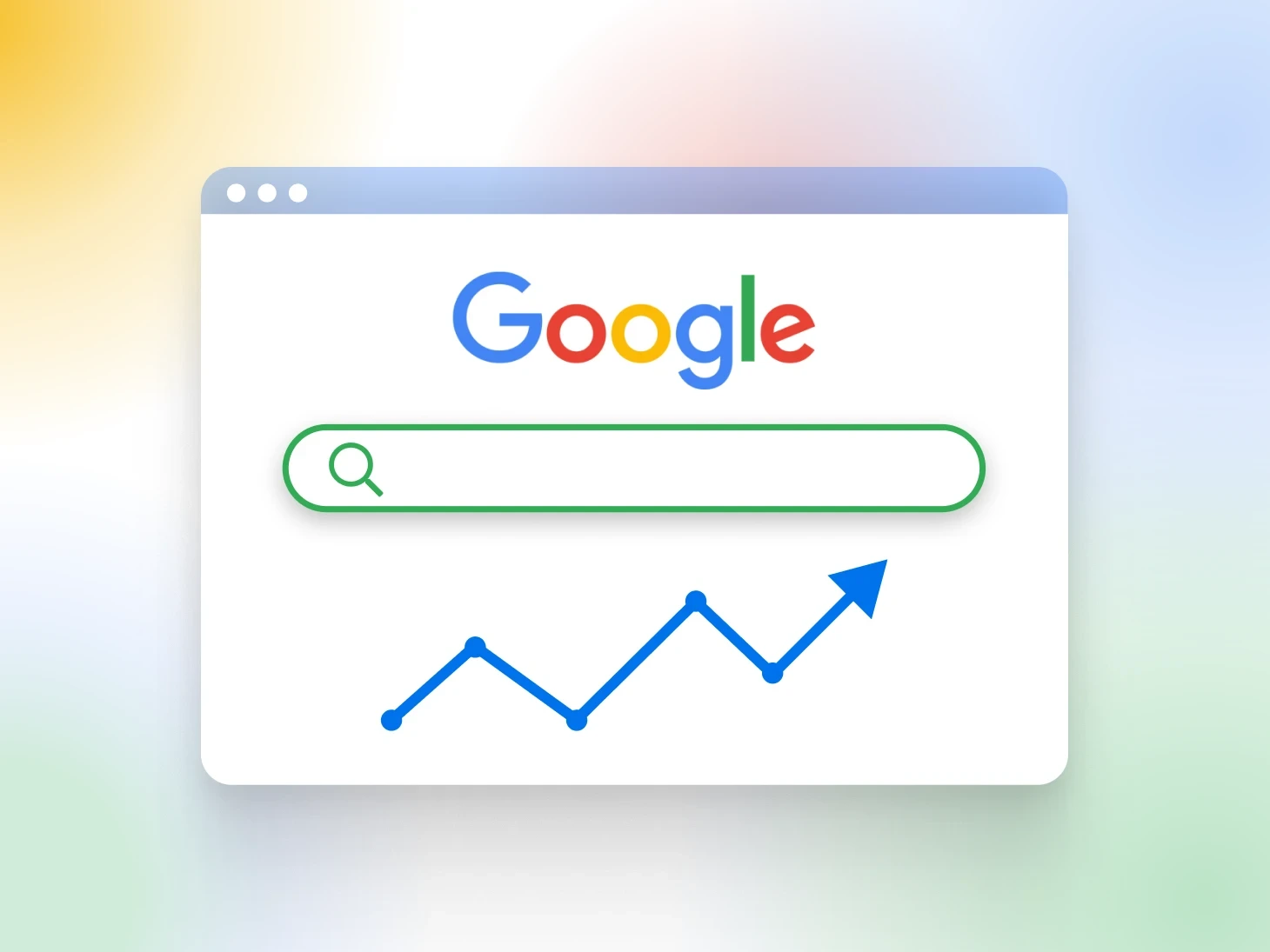
SEO in Australia is simply the practice of making your website easier for local searchers and Google to find, understand and trust so you can earn more organic leads over time.
What is search engine optimisation (SEO)?
Simple definition for beginners
Search engine optimisation (SEO) is the process of making your website easier for Google and other search engines to understand and recommend.
When you do it well, your pages show up higher in search results when people look for what you sell across Australia.
Instead of paying for every click with ads, SEO focuses on winning more organic traffic – the free clicks that come from normal search results.
Why SEO matters more in Australia in 2025

Australians research almost everything online: trades, lawyers, cafés, NDIS providers, SaaS tools and more. If you do not appear when they search, you are invisible.
Good SEO can help you:
- Get in front of people who are already looking for your service
- Beat bigger brands in niche or local searches
- Reduce reliance on paid ads over time
- Build long-term trust through content and reviews
For most local and service businesses, ignoring SEO now almost guarantees that competitors take your leads, especially in competitive SEO Australia markets.
How SEO Australia actually works
How Google decides what to show
When someone types a search, Google goes through a few steps:
- It crawls and stores billions of pages in its index.
- It tries to understand each page: topic, location, quality and intent.
- It ranks pages based on hundreds of signals such as relevance, links, content depth, user behaviour and technical health.
Your overall strategy with SEO Australia is simple: make your pages the most relevant, useful and trustworthy answers for the searches that matter to your business.
You can then connect that foundation with content and PR using a clear SEO marketing in Australia strategy to turn visibility into leads and brand awareness.
Search intent: what people really mean
Every keyword hides a real-world intention. Common intent types include:
- Informational – people want to learn something, like “what is SEO” or “how does SEO work”.
- Commercial – people compare options, like “best SEO agency Sydney” or “SEO services for tradies”.
- Transactional – people are close to buying, like “SEO packages Brisbane price” or “book SEO audit”.
- Navigational – people look for a brand, like “StudioHawk SEO” or “King Kong SEO Australia”.
If your content does not match the real intent, it will struggle to rank even if you use the right phrase on the page.
The building blocks of an SEO strategy
Keyword research for Australian markets
Keyword research is the process of finding the phrases your ideal customers actually type into Google.
For a broad topic like SEO in Australia, useful groups of keywords often include:
- National terms: SEO Australia, “search engine optimisation Australia”, “SEO services Australia”.
- Local terms: “SEO Melbourne”, “SEO Brisbane”, “local SEO Sydney”.
- Niche terms: “ecommerce SEO Australia”, “small business SEO”, “NDIS SEO”.
Tools like Google Keyword Planner, Ahrefs and Semrush help you see search volume, difficulty and intent. If you want help choosing and using tools, check out our best SEO tools for small businesses in Australia guide.
For this beginner guide, the main phrase is SEO Australia because it captures people wanting a broad overview, is more realistic to target than the one-word term “SEO”, and still works for national or remote service offers.
On-page SEO: making each page clear
On-page SEO covers what you do on the page itself to help Google and users understand it. That includes:
- One clear focus topic per page
- A descriptive title tag that uses your main keyword once
- A clean H1 that matches the topic, not clickbait
- Logical H2 and H3 headings
- Short, readable paragraphs with plain language
- Internal links pointing to relevant pages
- Natural use of your main keyword and semantic terms
In practice, that means using SEO Australia in the title, the H1, one or two H2s and in a handful of body paragraphs, without turning the article into spam.
Aim for a sensible keyword density, often around half to one percent of the total words. Enough to make the topic clear, not enough to annoy readers.
Technical SEO: fixing site issues
Technical SEO is about making sure your site can be crawled, loaded and understood by search engines. Key areas include:
- Fast load times, especially on mobile devices
- HTTPS with a valid SSL certificate
- Clean URL structure without strange parameters
- Correct redirects, with no long redirect chains
- An XML sitemap and sensible robots.txt rules
- No major crawl errors or blocked important pages
If Google struggles to crawl your site, your SEO Australia content will never get a fair chance to rank, no matter how strong the writing is.
Off-page SEO: links, brand and trust
Off-page SEO refers to signals that live away from your site but still affect how you rank. Examples include:
- Backlinks from relevant and trustworthy websites
- Brand mentions in media, directories and industry sites
- Consistent business details across the web
- Social proof and reviews, especially for local SEO
Think of a backlink as a vote from another website. A few strong, relevant links are worth far more than a large number of low-quality links.
Local SEO for Australian businesses
Your Google Business Profile and maps
If you serve a local area, local SEO can matter as much as your main website. Your Google Business Profile is the core of that.
Make sure your profile includes:
- The correct business name, primary category and service description
- A local phone number and physical address if you have one
- Service areas if your team travels to clients
- Accurate business hours and key services
- Photos of your team, work and premises
A complete and active profile helps you appear in the map pack – the three map listings that show for many local searches in Australia.
Reviews, citations and local signals
Local SEO signals that support your efforts in Australia include:
- Google reviews from real customers, with responses from your business
- Consistent name, address and phone details on major directories
- Local backlinks from sponsorships, local news and partners
- Location-specific pages on your site for key regions
Google wants evidence that you are a real, local and trusted business, not just a good-looking site talking about SEO Australia.
How to get started with SEO Australia in 7 steps
- Clarify your goals. Decide if you care most about leads, sales, booked calls or another outcome. Traffic alone is not the goal.
- List your core services and locations. Map each service and region to at least one page on your site.
- Do basic keyword research. For each service and location, find one or two main keywords and a small set of supporting phrases.
- Fix obvious technical issues such as very slow pages, broken links, missing HTTPS or pages that cannot be indexed.
- Rewrite your key pages with clear on-page SEO. Use one H1 per page, natural headings and internal links.
- Set up tracking. Use Google Analytics 4 and Google Search Console to watch traffic, queries and issues.
- Publish helpful content regularly. Answer real customer questions through guides, checklists, cost breakdowns and how-to articles, using your SEO Australia plan to guide topics.
If you want a structured way to keep all of this organised, use an SEO strategy template for Australian businesses so you can turn these steps into a repeatable process.
How long does SEO take in Australia?
In most cases you should expect three to six months before you see clear movement, and six to twelve months before you see strong, compounding results.
The timeline depends on how competitive your niche is, how strong your current site is, how much quality content you can publish and how well you execute technical, on-page and off-page SEO.
If someone promises page-one rankings for tough SEO Australia terms in a few weeks, be careful. They may be over-promising or planning to use risky tactics that can hurt you later.
How much does SEO cost in Australia?
There is no single correct price for SEO, but common ranges in Australia look like this:
- Freelancers and very small agencies: often a few hundred dollars per month for light work.
- Serious small to mid-sized agencies: often $1,000–$3,000 or more per month for a proper ongoing program.
- Large national campaigns in highly competitive niches: significantly more, depending on scope.
Cheap SEO packages that promise many keywords, spammy links and guaranteed rankings usually cut corners. You might see short-term bumps, but the long-term risk to your domain and brand is high.
As a beginner you can start with DIY work using guides like this, then bring in professional SEO Australia support once you know what good work should look like.
Common SEO mistakes Australian businesses make
Chasing only head terms. Many businesses go after broad phrases like “lawyer” or “plumber” with no authority, instead of realistic long-tail and local keywords.
Thin, generic content. Short pages that say the same thing as every competitor rarely rank or convert.
Ignoring technical SEO. Slow, broken and messy sites make it hard for Google to crawl and for users to stay.
Keyword stuffing. Repeating the same phrase on every line looks spammy, drives people away and can harm rankings.
Zero local presence. Many companies skip Google Business Profile, reviews and local citations, then wonder why phones are quiet.
No tracking or clear KPIs. Doing SEO without watching organic traffic, rankings, leads and revenue makes it impossible to see what works.
A simple 90-day starter plan
Days 1–30
- Install Google Analytics 4 and Google Search Console.
- Fix basic technical issues such as speed, mobile layout, HTTPS and broken links.
- Map your services and locations to clear pages.
- Choose target keywords, including SEO Australia if you sell SEO or marketing services.
Days 31–60
- Rewrite your home page and a few key service pages with solid on-page SEO.
- Optimise title tags and meta descriptions for clarity and intent.
- Set up and complete your Google Business Profile.
- Ask a few happy clients for honest Google reviews.
Days 61–90
- Publish three to six helpful blog posts that answer real customer questions.
- Add internal links between related posts and service pages.
- Start basic link building through partnerships, associations and useful contributions to industry sites.
- Review your data to see what is moving and what to double down on.
If you stick with this for a full year and keep improving, your SEO Australia results will almost always be stronger than businesses that try SEO for a month and give up.
FAQs: SEO Australia for beginners
Is SEO worth it for a small Australian business?
If you sell something that people search for online, SEO is usually worth it. Even a basic SEO Australia setup with a solid site, good local SEO and a few helpful pieces of content can bring steady leads over time.
If your market is extremely niche and never searches online, SEO may matter less, but that is rare today.
Can I do SEO myself or do I need an agency?
You can handle the basics yourself: fix obvious technical issues with a developer, set up your Google Business Profile and write honest, helpful content about what you do.
An agency or specialist becomes useful when you are in a competitive niche, do not have time to learn in depth, or need a full strategy, audit and ongoing link building.
Do I need different SEO for each city or state?
If you serve multiple regions, your local SEO should reflect that. Create location-specific pages, clearly mention where you work in your copy and metadata, and use separate Google Business Profiles for each real office.
Avoid creating fake locations just for rankings. That can lead to penalties and lost trust.
How do I know if my SEO is working?
To check progress, look at organic traffic in GA4, search impressions and clicks in Google Search Console, rankings for your core terms and, most importantly, the number of leads, calls and sales that start from organic search.
If these numbers trend up over three to six months, your SEO work is likely moving in the right direction.
What is the difference between SEO and Google Ads?
SEO earns organic rankings over time. It is slower to start, but the results can compound and do not charge you for each click.
Google Ads put you at the top quickly, but you pay for every click and you stop showing as soon as you stop paying. Many mature businesses use both, for different roles in the marketing mix.